
Las Vegas, NV

October 2-3, 2026

Envisioning Radical Futures Within & Outside Asian American Psychology

Last year reminded us that activism, scholarship, and community work are sustained not only through the struggle but also through healing, connection, and collective joy. It was a poignant reminder that liberation is not an endpoint, but an ongoing process nourished by our relationships, resilience, and shared humanity within our communities. We came together to create a space to not only acknowledge our shared struggles but also to celebrate and feel joy despite the ongoing hardships in our increasingly challenging environment.

Building on this foundation, this year’s theme, “Envisioning Radical Futures Within & Outside Asian American Psychology,” invites us to move beyond sustaining ourselves within existing systems to imagine and create new possibilities altogether. If resistance and joy help us endure and transform the present, radical futures ask us to dream beyond it and to consider what liberation could look like when structural inequities are dismantled and our communities thrive.

Envisioning radical futures requires critical reflection and courageous imagination. It calls us to reimagine psychological science, mental health care, education, and community systems in ways that center cultural wisdom, lived experience, and collective well-being. Radical futures are not distant ideals; they are built through the practices, knowledge, and resilience already present within our communities.

This year’s theme encourages scholars, clinicians, activists, and community leaders to share work that pushes boundaries, challenges dominant narratives, and opens pathways toward more just and equitable futures. Interdisciplinary collaboration, culturally grounded approaches, and community-engaged scholarship are especially welcome as we collectively engage in imagining what becomes possible when healing, justice, and belonging are fully realized.
CALL FOR PROPOSALS

Proposals may address, but are not limited to, the following topics within Asian American Psychology:

  • Research

  • Community-based projects

  • Collaborative and interdisciplinary work examining the diversity of the Asian American community

  • Social justice

  • Intersections across race, gender, and sexuality

  • Complexities of our different identities- focus on the different experiences

  • Similarities and differences of racial discrimination across the different groups

  • Intergroup conflicts

  • Racial and Ethnic identity development across different racial minority groups

  • Where are Asian Americans in terms of current political movements

  • Challenges associated with immigration and acculturation among new immigrants (e.g., acculturative stress)

  • Family intergenerational conflict and generational differences in values

  • Variations in academic achievement and expectations (as well as educational challenges) among AAPI students; issues relevant to the model minority myth as they apply to Asian American school-age children and college students

  • Challenges associated with discrimination and racial discrimination among working adults

  • Mental health needs of Asian Americans from different age groups

Who May Submit

AAPA members at all levels of training (professional, graduate level, and undergraduate level), including non-psychologists interested in psychological issues affecting Asian Americans, are encouraged to submit proposals. Non-AAPA members at all levels may also submit proposals. We particularly encourage submissions from those interested in Asian American psychology who have not previously participated in AAPA conventions.  Because strengthening the diversity of our colleagues in other organizations is particularly important to psychologists of color, we strongly encourage submissions from members of the American Arab, Middle Eastern, and North African Psychological Association, the Association of Black Psychologists, the Society of Indian Psychologists, and the National Latina/o Psychological Association.

  • While there is no limit on the total number of submitted proposals per person, individuals can be the first author of only one proposal submission. In the event that multiple first-author submissions are received from an individual, the committee will review only the first proposal received.  Exempt from this rule are invited speakers.

  • Deadline for all submissions is Thursday, April 30, 2026, at 11:59 p.m. PST

  • Please submit presentations at: https://forms.gle/xAbvkevkFJQdmZm37

  • All presenters are required to officially register for the convention

Types of Submissions

  • Courageous Conversations/Interactive Sessions: In a typical 75-minute session, a facilitator introduces the topic and sets up a context for subsequent discussions and interactions among participants.  For questions about submitting an interactive session proposal, please contact the Sessions Co-Chairs, Abby Saavedra & Grace Ragi, at convention.sessions@aapaonline.org.

  • Symposia: In a typical 75-minute symposium, three or four presentations are given around a common theme.  An expert discussant may provide feedback. The symposium proposal submission must include one program summary that integrates the multiple presentations within the session. It must also clearly indicate the titles and contents of each presentation within the symposium. A chair for the symposium must be named on the application portal. No individual paper proposals for symposium presentations are accepted. For questions, please contact the Sessions Co-Chairs, Abby Saavedra & Grace Ragi at convention.sessions@aapaonline.org.

  • Posters: Throughout the day, posters are displayed to disseminate information on various conceptual and/or empirical reports. During the designated 60-minute poster session, participants are invited to interact with poster presenters. Single research papers should be submitted as posters. For questions, please contact Poster Session Co-Chairs Lisa Liu & Bhanu Priya Moturu at convention.poster@aapaonline.org.

Guidelines for Proposals

  • All online proposals should include:

    • Contact information for the presenters

    • Abstract (50 to 100 words) with no author names

    • Program Summary (500 to 700 words) with no author names

    • 3-4 Learning Objectives (not required for poster submissions)

  • Proposals will be sent for anonymous reviews.  As such, the Abstract and Program Summary should not include identifying information of the author(s) and/or presenter(s).

  • Submitters will be notified by email upon receipt of their proposal.

  • For submissions highlighted as being potential programs that can award Continuing Education units (CEs), individual authors will be contacted to provide additional information.

  • Submission outcomes will be sent via email by May 30, 2026.

Proposal Rating Criteria

  • Proposals will be rated based on the following criteria:

  1. Choice of Topic

  2. Membership Appeal

  3. Theoretical Framework

  4. Methodology/Mode of Inquiry

  5. Interpretation

  6. Innovation and Creativity

  7. Contribution to the Field

  8. Relationship to Convention Theme

Additional Information

  • Presenters should bring their own laptops (Mac users should bring the appropriate adaptor to connect to the LCD projector). LCD projectors for PowerPoint presentations will be provided. Requests for additional AV equipment will be addressed after the final selection of presenters has been decided.

For all other questions regarding the 2026 AAPA Convention, please email one of this year’s chairs, rich or Regina, at convention@aapaonline.org.

REGISTRATION

Online registration will open soon!

MEET & GREET

Meet-and-greet event TBA!

OPENING KEYNOTE SPEAKER

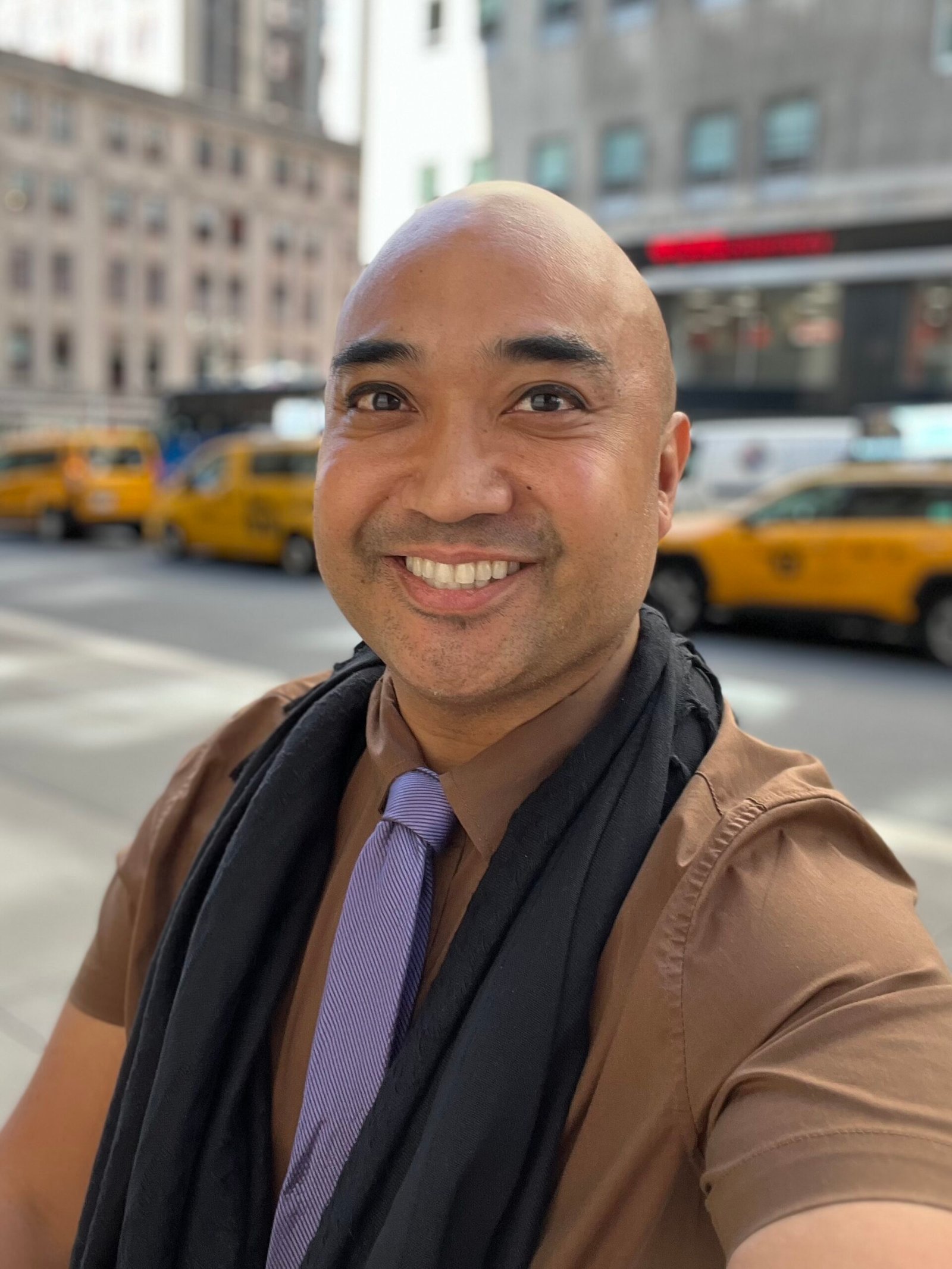
Dr. Kevin Leo Yabut Nadal is a Distinguished Professor of Psychology at the City University of New York. He is one of the leading researchers examining the impacts of microaggressions—subtle forms of discrimination—on the mental and physical health of people of color, lesbian, gay, bisexual, transgender, and queer (LGBTQ) individuals, and other marginalized communities.

Dr. Nadal has published over 100 scholarly works on multicultural issues in psychology and education. He is the author of 14 books, including Filipino American Psychology (Wiley, 2021), Microaggressions and Traumatic Stress (American Psychological Association, 2018), and Queering Law and Order (Lexington Books, 2020).

He made history as the first and only openly gay President of the Asian American Psychological Association (AAPA) in the organization’s 50-year history and as the first person of color to serve as Executive Director of the Center for LGBTQ Studies in its 25-year history. He currently serves as President of the Filipino American National Historical Society—the youngest individual and the first to openly identify as LGBTQ+ to hold the position.

Dr. Nadal is also a co-founder of the LGBTQ+ Scholars of Color National Network, the AAPA Division on Filipinx Americans, and the AAPA Division on LGBTQQ+. He has delivered hundreds of lectures across the United States, including presentations at the White House and the U.S. Capitol.

His many honors include the American Psychological Association’s 2017 Early Career Award for Distinguished Contributions to Psychology in the Public Interest, the 2019 Richard Tewksbury Award from the Western Society of Criminology, the 2019 Thought Leadership Award from the Robert Wood Johnson Foundation, and the 2022 Teachers College Medal for Distinguished Service.

PLENARY COMING SOON!

CLOSING KEYNOTE SPEAKER

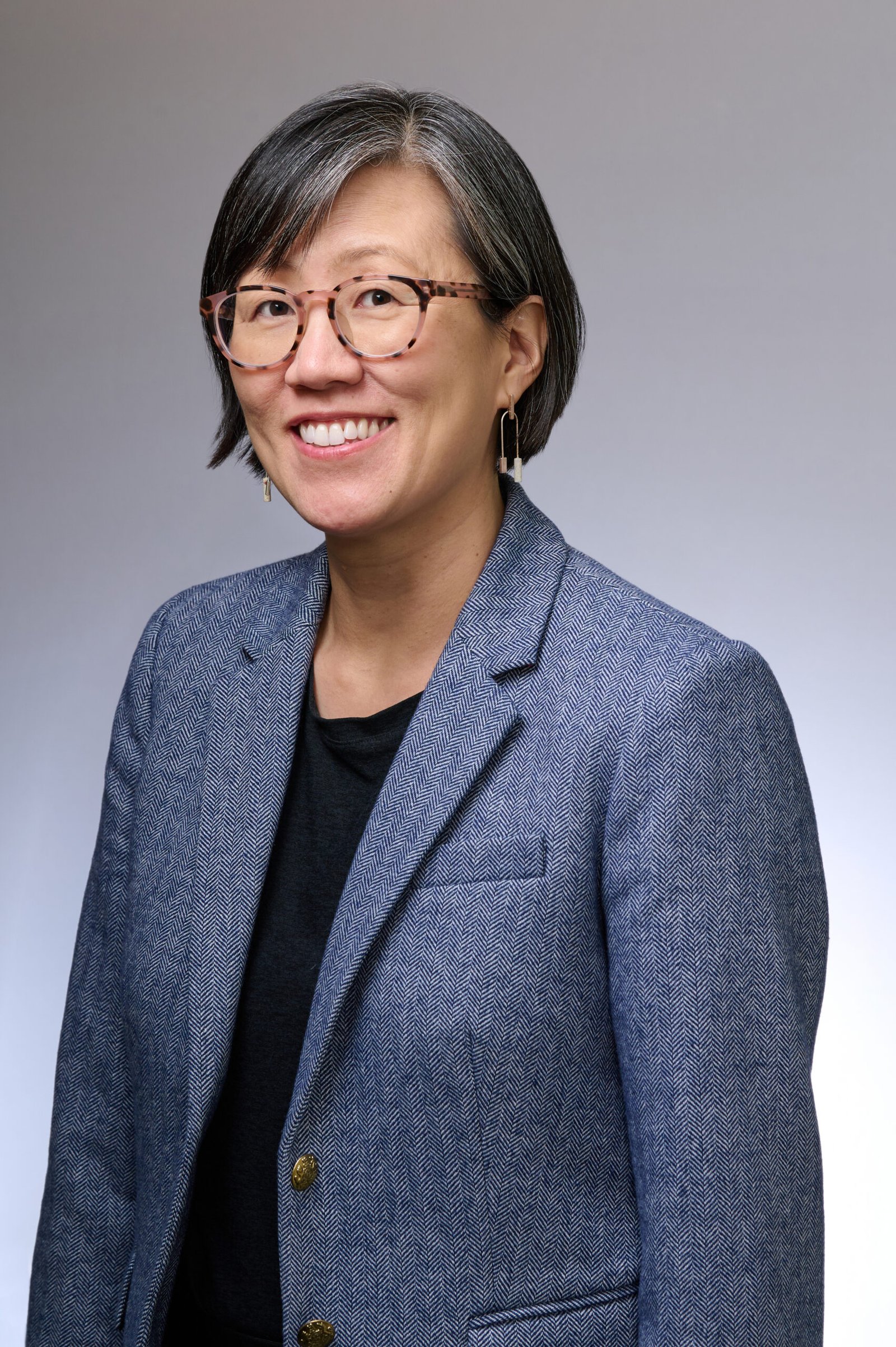
Dr. Grace S. Kim is a Clinical Professor in the Counseling Psychology & Applied Human Development department at Boston University Wheelock College of Education & Human Development. Trained in clinical psychology, Dr. Kim’s research has two interconnected foci. First, she explores how to teach diversity and social justice effectively, and how to train future professionals to be more culturally humble and responsive. Second, she conducts research on Asian American psychology, focusing on resilience and mental health, struggles for liberation and resistance to oppression, social agency, and solidarity with other marginalized groups. She co-authored two books, Unraveling Assumptions: A Primer for Understanding Oppression and Privilege (Routledge, 2022), and Teaching Diversity Relationally: Engaging Emotions and Embracing Possibilities (Routledge, 2022). She is currently working on a third co-authored book, Foundations of Asian American Psychology: A Feminist, Anti-racist Perspective, which is under contract with Cambridge University Press. She holds a Fellow status in the American Psychological Association (Divisions 35 & 45) and the Asian American Psychological Association. An experienced leader in the field, Dr. Kim has held various leadership positions in AAPA (board member, convention co-chair, leadership fellows program co-chair), and APA Divisions 45 (APA convention program co-chair) and 35 (president, 2024-2025). She is passionate about teaching and training future psychologists and finds joy in conversations with students in and outside of classroom. Her research and teaching excellence was recognized through the 2023 Boston University Provost’s Scholar-Teacher of the Year award.

FULL PROGRAM COMING SOON!

HOTEL ACCOMODATION COMING SOON!

LUNCH INFORMATION COMING SOON!

OUR EVENT APP COMING SOON!

CONVENTION COMMITTEE CONTACT INFORMATION

Convention Co-Chairs

Richard “Rich” Chang

Regina Tahk

convention@aapaonline.org

Registration Committee:

Shveta Mittal

convention.registration@aapaonline.org

Program Committee:

Veronica Villanueva

Christine Pao

convention.program@aapaonline.org

Sessions Committee:

J. Abby Saavedra

Grace Ragi

convention.sessions@aapaonline.org

Posters Committee:

Lisa Liu

Bhanu Priya Moturu

convention.poster@aapaonline.org

Mentor/Mentee Committee:

Lainie Posecion

convention.mentoring@aapaonline.org

Sponsorship Committee:

Nellie Tran

Richelle Concepcion

Helen Hsu

convention.sponsorship@aapaonline.org 

Banquet Committee:

Christine Catipon

Michi Fu

convention.banquet@aapaonline.org

Book Sales Committee:

Sonia Bajwa

convention.booksale@aapaonline.org

AV/Volunteer Committee:

Flora Surjadi

convention.volunteer@aapaonline.org

Media Committee:

Diane Jung Gallo

convention.media@aapaonline.org

Karaoke Committee:

Queenie Lam

For questions/concerns please contact your Convention co-chairs at

convention@aapaonline.org

We will honor some special awards recipients at our annual Awards Banquet.
Registration fees are discounted for AAPA members. Become a member today to qualify for discounts at the convention and at other AAPA events throughout the year!